Executive Presence Isn't Personality—It's Regulation
Dr. Stephen Crawford
Speaker Performance Architect
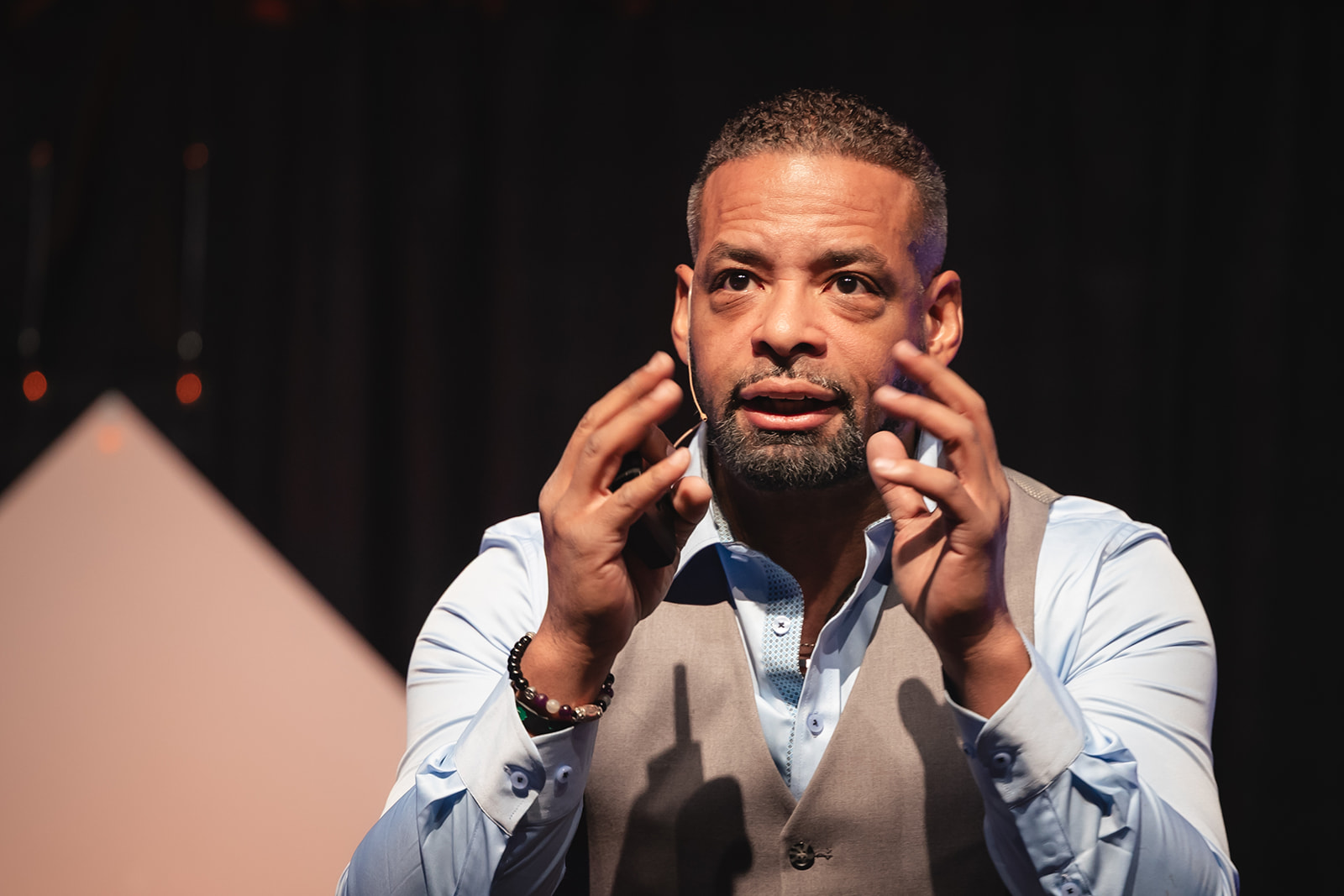
We've all seen it: someone walks into a room and the energy shifts. They haven't said a word, but people pay attention. We call it "executive presence" and assume it's something you either have or you don't. That assumption is wrong.
The Presence Misconception
Most people think executive presence is about personality—confidence, charisma, extraversion. So they try to act more confident, project more charisma, fake being more outgoing. It rarely works, and when it does, it feels exhausting and inauthentic.
Here's what's actually happening when someone has presence: their nervous system is regulated. They're not in fight, flight, or freeze. They're in what researchers call the "ventral vagal state"—alert, engaged, and calm. This isn't a personality trait. It's a physiological state.
Why Regulation Creates Presence
When your nervous system is dysregulated—even slightly—it shows. Your voice tightens. Your movements become jerky or overly controlled. Your eye contact feels forced. Your breathing is shallow. Other people's nervous systems pick up on these cues, often unconsciously.
We're wired for co-regulation. Humans have spent millions of years reading each other's nervous system states for survival. Is this person safe? Trustworthy? Competent? We answer these questions in milliseconds, based on signals we can't consciously articulate.
A regulated leader signals: "I've got this. You're safe here." A dysregulated one—no matter how smart or accomplished—signals uncertainty and threat.
The Paradox of Trying to Have Presence
Here's the irony: trying to have presence usually destroys it. The effort itself creates tension. You're now thinking about how you're coming across, which splits your attention, which makes you less present, which others detect instantly.
Real presence comes from not needing to perform it. It emerges naturally when your system is calm and your attention is fully available for the moment. This is why the most magnetic leaders often seem effortless—they're not trying to be present. They just are.
How Regulation Becomes Your Default
If presence is a regulated nervous system, the question becomes: how do you stay regulated under pressure? The answer isn't willpower or positive thinking. It's training.
Expand Your Window of Tolerance
Everyone has a "window"—a range of stimulation they can handle while staying regulated. Outside that window, the nervous system flips into survival mode. The key is systematically expanding this window through graduated exposure combined with regulation skills.
Develop Reliable Access Tools
Breath, posture, and voice are direct inputs to your nervous system. By developing specific protocols you can deploy instantly, you create a "reset button" you can press even mid-presentation when you feel yourself starting to slip.
Make Regulation Unconscious
With enough practice, regulation stops being something you do and becomes something you are. The patterns become automatic. Your baseline shifts. What used to trigger dysregulation no longer does.
Presence as a Learnable Skill
The most liberating truth about executive presence: it's not about changing who you are. You don't need to become more extroverted, more assertive, or more charismatic. You need to become more regulated.
Introverts can have extraordinary presence. Quiet people can command rooms. The variable isn't personality—it's nervous system state. And that's trainable.
Stop trying to perform presence. Start training regulation. The presence will follow.
Command the Room. Transform Your Organization.
Whether preparing your C-suite for high-stakes quarterly pressure or inspiring thousands at your annual conference, partner with Dr. Stephen Crawford to activate biological resonance and decisive leadership.
Read Next
Executive Presence Under Pressure: How Transformational Leaders Apply The Forging Model
Discover how transformational leaders apply Dr. Stephen Crawford's Forging Model to alchemize high-stakes pressure into grounded executive presence and authority.
Keynote Speaking & CultureDr. Stephen Crawford: Leadership Keynote Speaker and Executive Coach
Leadership keynote speaker and executive coach Dr. Stephen Crawford has reached 3M+ people in 33 countries. Booking from $5,000. Check availability.